Hospitals are places where people go to get better when they are sick or hurt. One important part of helping patients breathe and heal is something called liquid oxygen. Liquid oxygen plants in hospitals make sure there is enough oxygen available for patients who need it. This oxygen is really cold and is stored in special tanks. When doctors need to give oxygen to a patient, they can easily get it from these tanks. Using a liquid oxygen plant helps hospitals provide better care to their patients and can save lives.
Liquid oxygen plants bring many advantages to hospitals. First, they supply a large amount of oxygen. Hospitals often have many patients who need extra oxygen, especially those with breathing problems. Having a liquid oxygen nitrogen plant means there is always enough oxygen ready for these patients. Second, it is very safe. Liquid oxygen is stored in strong tanks that prevent leaks and keep everything secure. This safety is crucial because hospitals need to be prepared for emergencies. Third, using liquid oxygen can save money for hospitals. Instead of buying oxygen in smaller tanks, having a plant means they can produce it themselves at a lower cost. This money can be used for other important things, like buying new medical equipment or helping more patients. Lastly, having a liquid oxygen plant helps hospitals be more independent. They do not have to rely on outside companies to deliver oxygen, which can sometimes take time. For example, if there is a snowstorm, deliveries might be delayed. With a plant on-site, hospitals can quickly get the oxygen they need without waiting. This is especially important during busy times when every second counts for a patient needing oxygen. Hospitals like Hengyetong understand these benefits well, providing solutions that meet the needs of healthcare facilities.
Choosing the right liquid oxygen plant is an important decision for hospitals. There are a few key factors to think about. First, the size of the plant matters. A big hospital with many patients will need a larger plant that can produce more oxygen. On the other hand, a smaller clinic might not need as much. It is essential to know how much oxygen the hospital will need daily. Next, safety features are very important. Look for plants that have the latest safety measures, such as alarms for leaks and automatic shut-off systems. These features help make sure that everyone stays safe. Additionally, think about the reliability of the plant. A good liquid psa oxygen plant should work efficiently and not break down often. Hospitals cannot afford to have downtime when patients need oxygen. It is also helpful to consider the company that makes the plant. Hengyetong is known for its quality and reliability, so hospitals might want to look into their options. Finally, cost is a big factor. While it might be tempting to choose the cheapest option, it is important to think about the long-term savings and reliability of the plant. Investing in a good liquid oxygen plant can save money and provide better care for patients. Overall, making the right choice means understanding the hospital's needs and ensuring that the oxygen supply is safe, reliable, and cost-effective.
When hospitals use liquid oxygen, they need to think about some important things. First, safety is the most important. Liquid oxygen is very cold and can be dangerous if not handled properly. It can cause burns if it touches skin. Hospitals must train their staff on how to use it safely. They should wear protective gear, like gloves and goggles, when working with liquid oxygen.
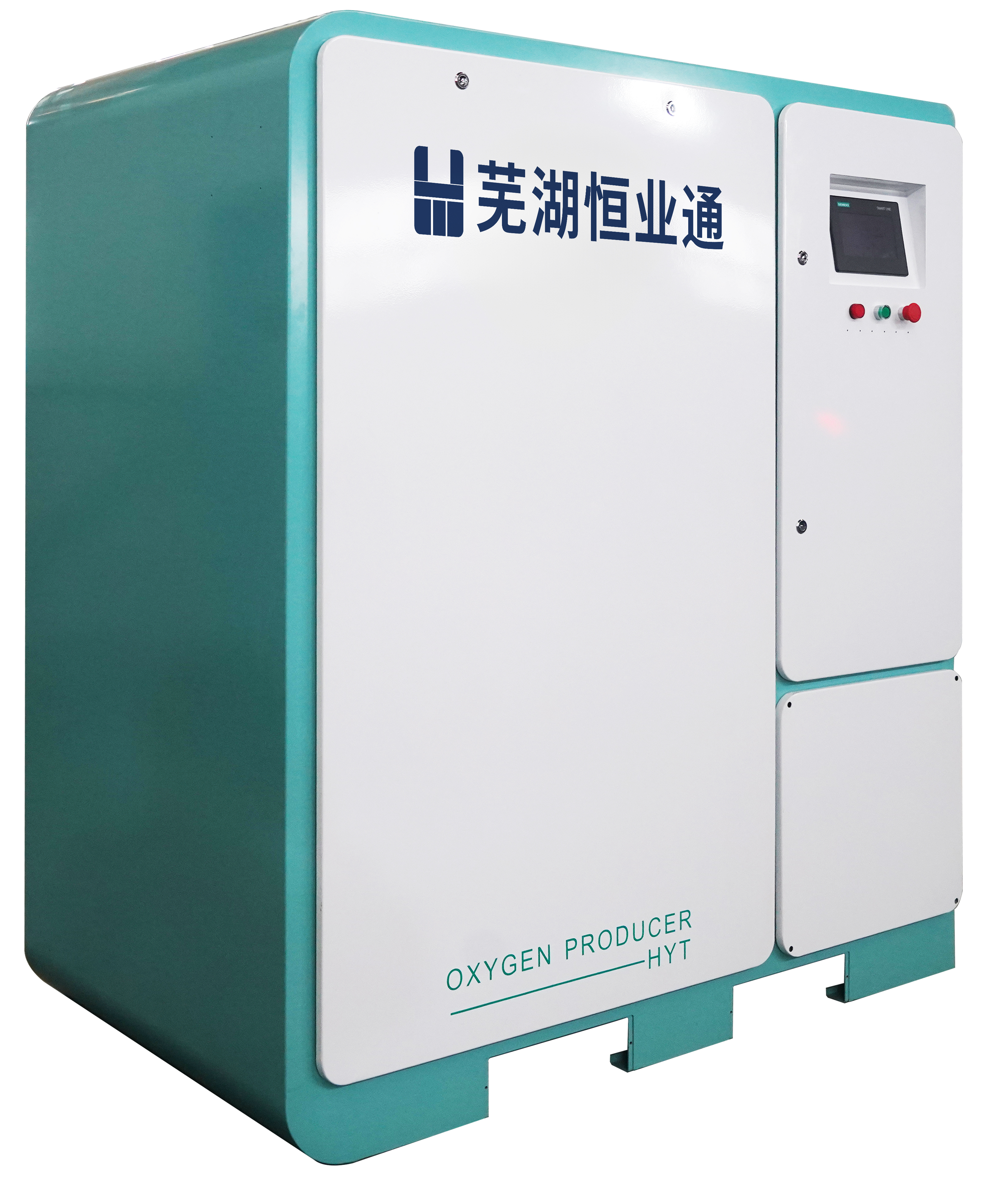
Another issue is storage. Liquid oxygen needs to be kept in special tanks. These tanks must be strong and are usually kept outside or in a well-ventilated area. If the tanks are not stored correctly, they can become a fire hazard. This is because liquid psa oxygen can make fires burn much hotter and faster. Hospitals should have a plan in place to check the tanks regularly for any problems.
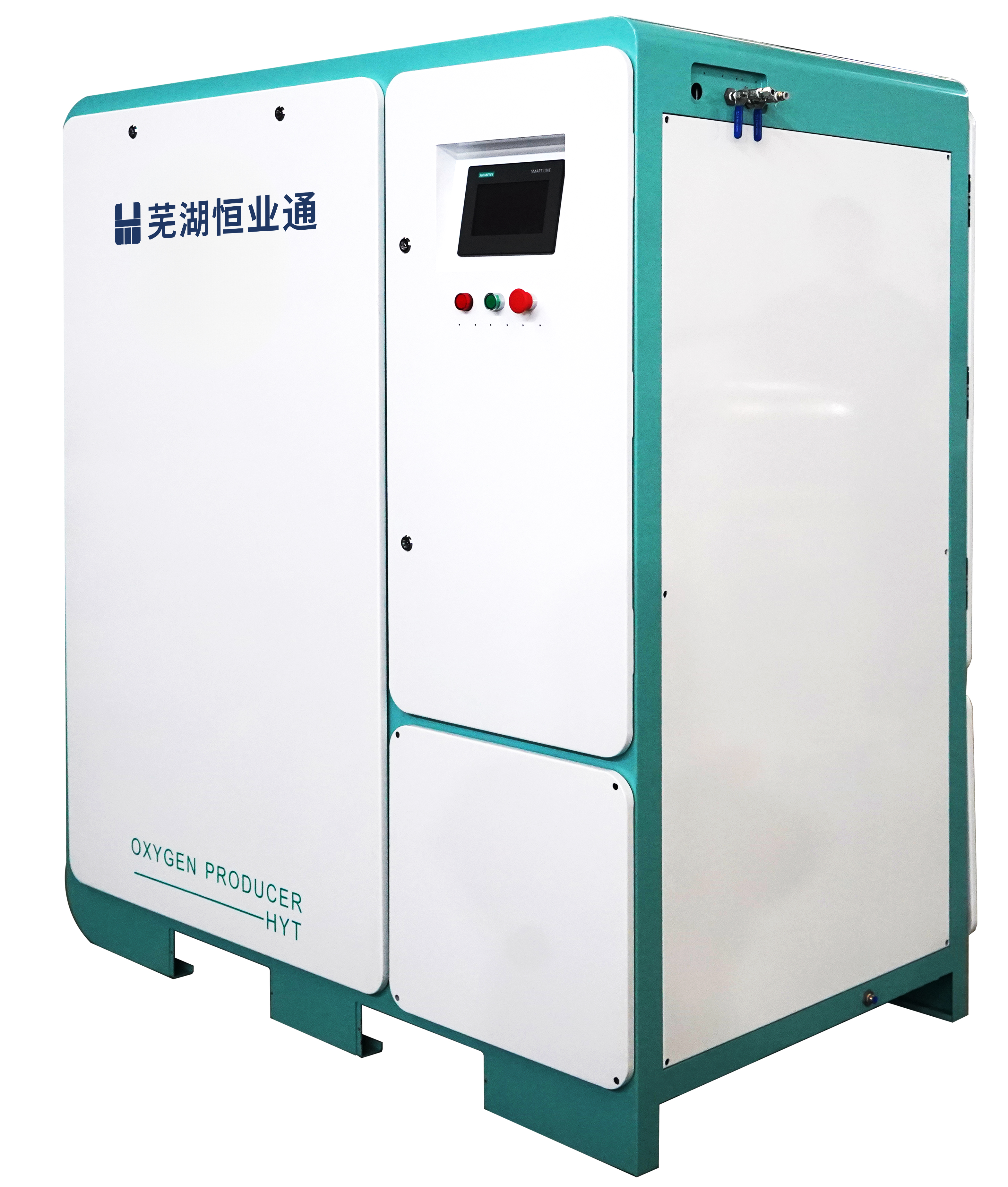
Finally, hospitals need to think about the patients. Liquid oxygen is used for patients who have trouble breathing. It is important for hospitals to always have enough oxygen available to help these patients. They should have systems in place to monitor how much oxygen is being used and how much is left in the tanks. This way, they can ensure that every patient gets the care they need.
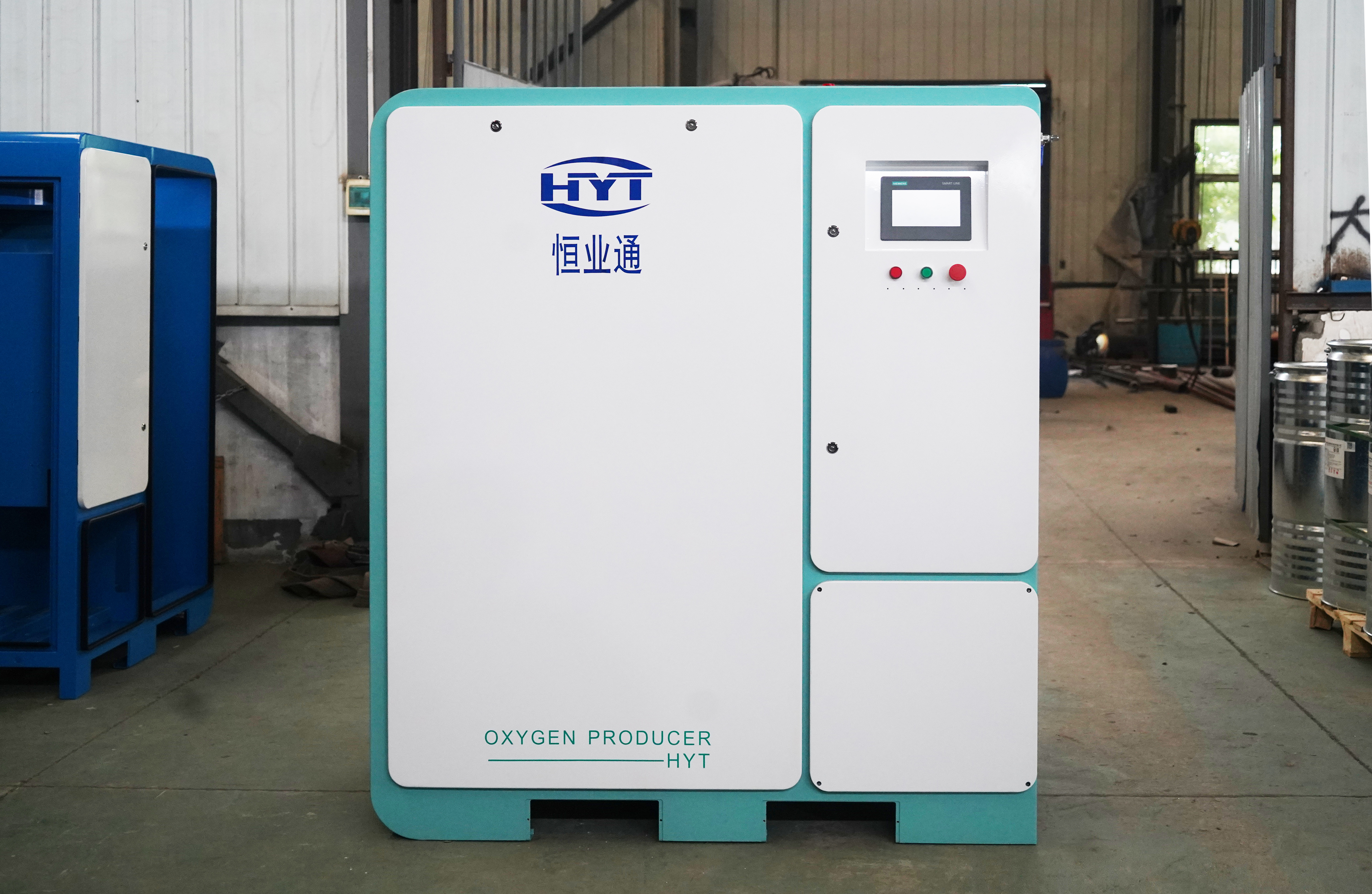
When looking for a liquid oxygen plant, hospitals should consider the size they need. Some hospitals are big and need a lot of oxygen, while smaller hospitals might not need as much. Hengyetong can help hospitals figure out the right size for their needs. They can also provide help with the installation and setup of the plant, making it easier for hospitals to start using it.
Committed to continuous R&D and innovation, we adopt the development philosophy of "integrating front-end technology to build a world brand," ensuring our products meet the highest standards of performance and reliability for international markets.
We provide a complete range of advanced gas systems, including Medical Oxygen Generators, High Purity Oxygen Systems, Nitrogen Generators, and CO₂ Removal Equipment, offering integrated and economical solutions for diverse global needs.
Recognized as a provincial high-tech enterprise, we combine certified technical expertise with a forward-thinking global strategy, delivering the most appropriate and advanced gas separation solutions to customers worldwide.
With more than 30 years of dedicated experience, we are recognized as a high-tech enterprise specializing in the application research and manufacturing of air separation gas equipment, making us a trusted leader in the PSA gas solutions industry.

Welcome to HYT, we are the supplier of supplying PSA oxygen generator,nitrogen generator,99.5% oxygen plant,CO2 recycle machine for more than 30 years.
Room 4, Building A-35, Huading Mold Industrial Park, Hannan District, Wuhan, China
Copyright © Wuhan Hengyetong Gas Equipment Co.,Ltd. All Rights Reserved- Privacy Policy- Blog

 EN
EN
