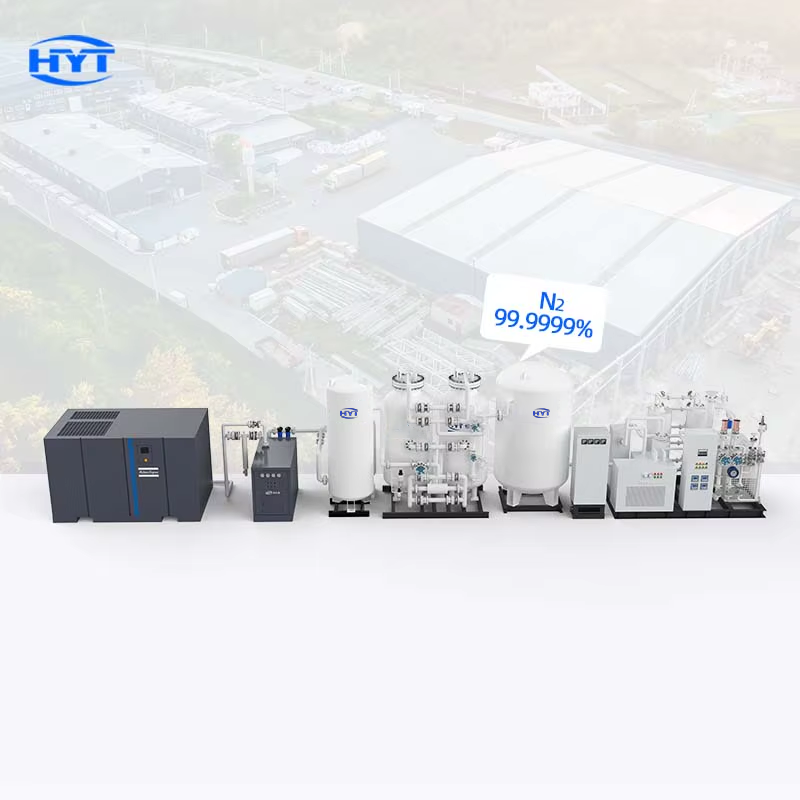
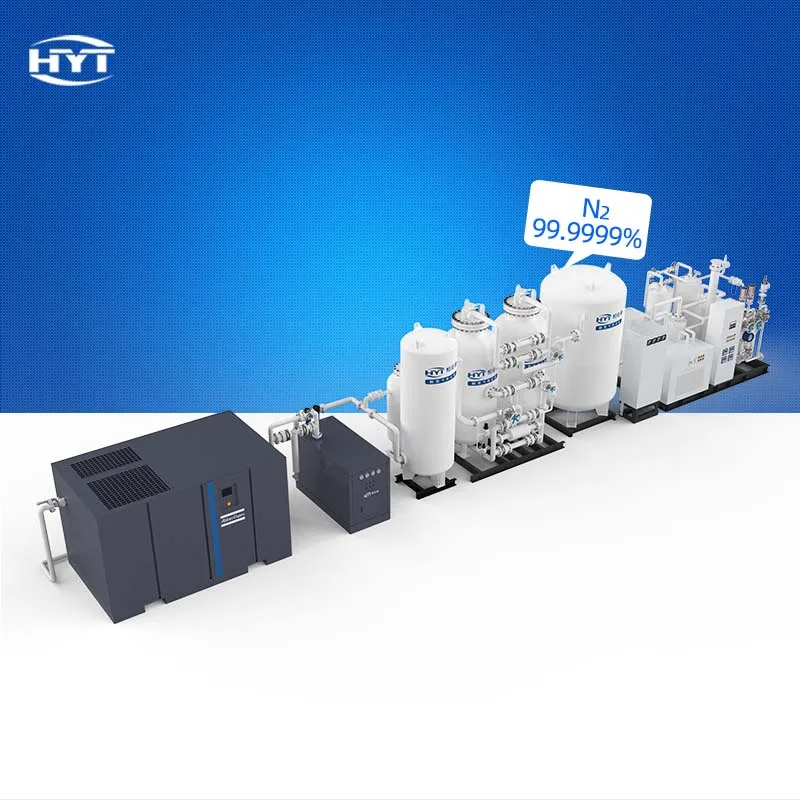
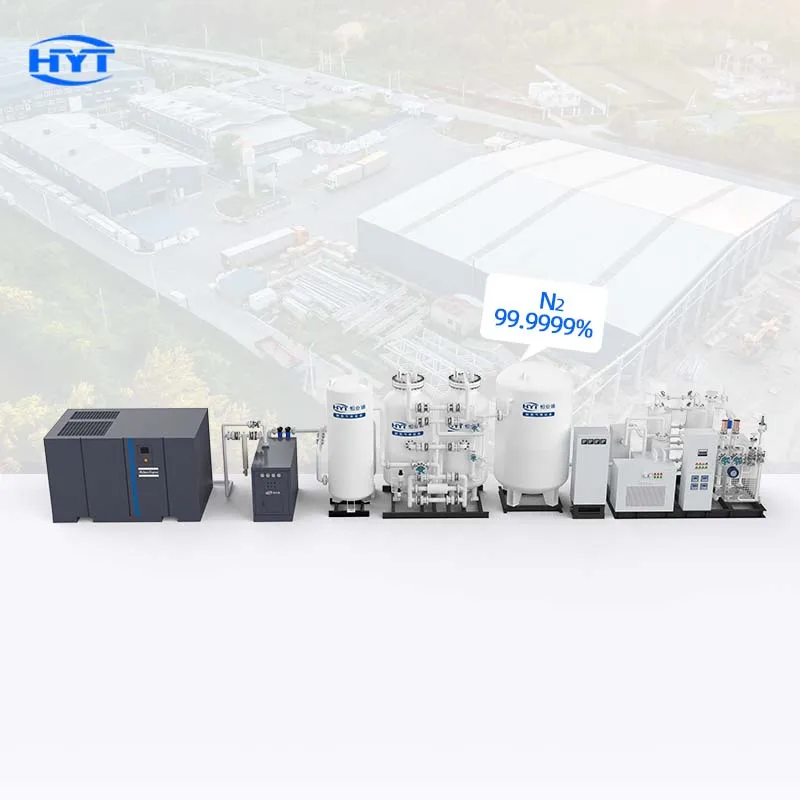
A nitrogen generation plant is a facility that makes nitrogen gas. Nitrogen is a key ingredient used in many industries, like food packaging, electronics, and pharmaceuticals. When a company thinks about building or buying a nitrogen generation plant, one big question pops up: How much will it cost? The cost can change a lot based on many things. This includes the size of the plant, the technology used, and how it is built. It’s important to understand these factors to make a good decision. If you are considering investing in an onsite nitrogen generation, knowing the costs involved is your first step.
Finding the best deals on nitrogen generation plants can take some time and research. Start by looking online for manufacturers and suppliers. Websites can help you compare different plants and their prices. Hengyetong is a great option to check out. They offer a variety of nitrogen generation at different price points. When you find a few options, reach out to the companies to ask for quotes. This is where you might find the best deals. Sometimes, companies offer discounts for bulk purchases, so don’t hesitate to ask about that. Another tip is to visit trade shows or industry events. These events are excellent for networking and can help you find unique deals that you might not find online. Speaking to experts in person can also give you insights into the best options available. Always consider the long-term costs, too. A cheaper plant might cost more to run and maintain, so think ahead.
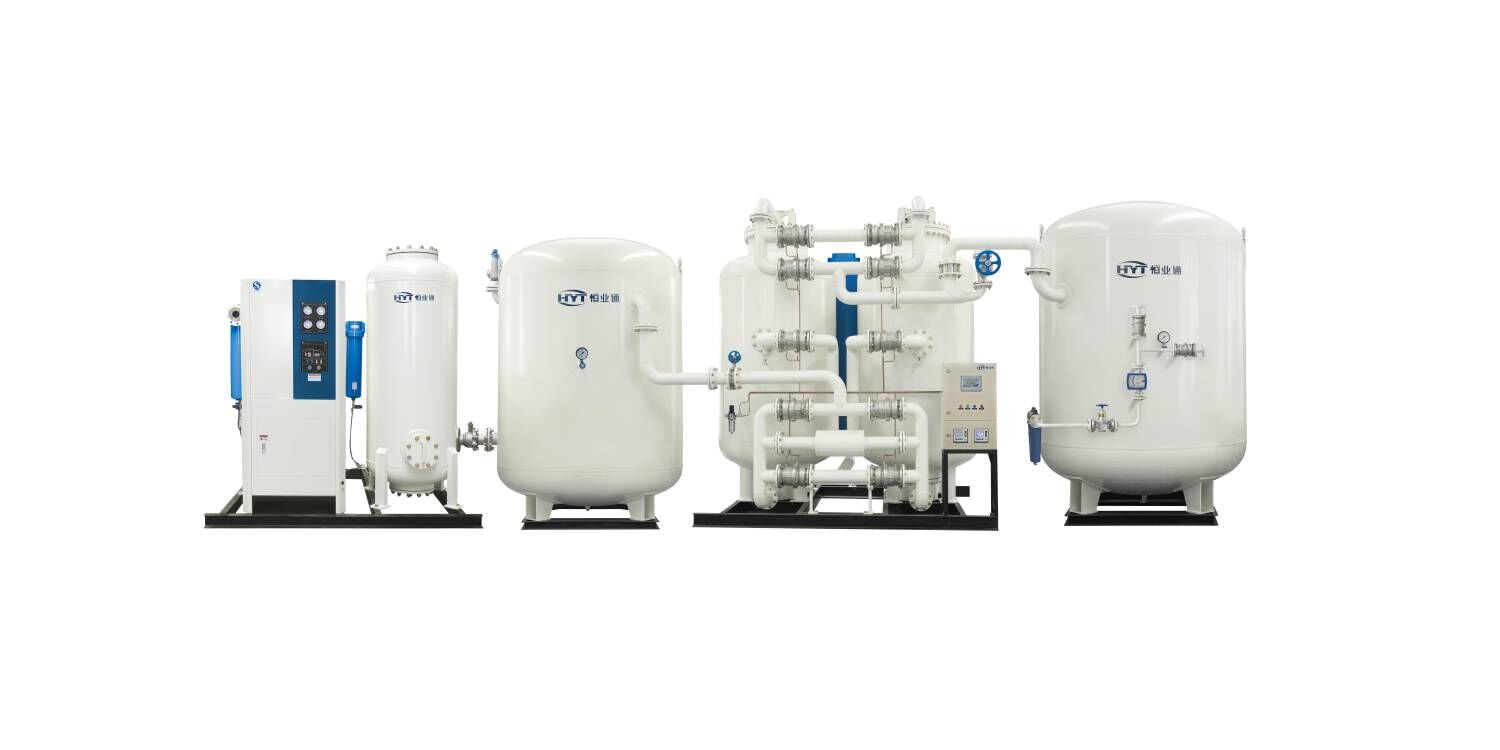
When you think about the cost of a nitrogen generation plant, there are many things to consider. First, the size of the plant is crucial. Bigger plants usually cost more because they need more materials and labor. The technology used also matters. Advanced technology might have a higher price tag but can save money in the long run by being more efficient. Make sure to factor in installation costs, too. This includes labor and any special equipment needed. Don't forget about maintenance costs. Some plants need regular maintenance, which can add up over time. It’s also important to think about the location. Depending on where you set up the plant, costs can vary. Shipping materials to a remote area can be more expensive. In addition, consider the energy costs to run the plant. A good energy-efficient design can save a lot of money. Lastly, grants and financial help may be available, especially if your project helps the environment. Researching these aspects will give you a clearer picture of the total costs involved.
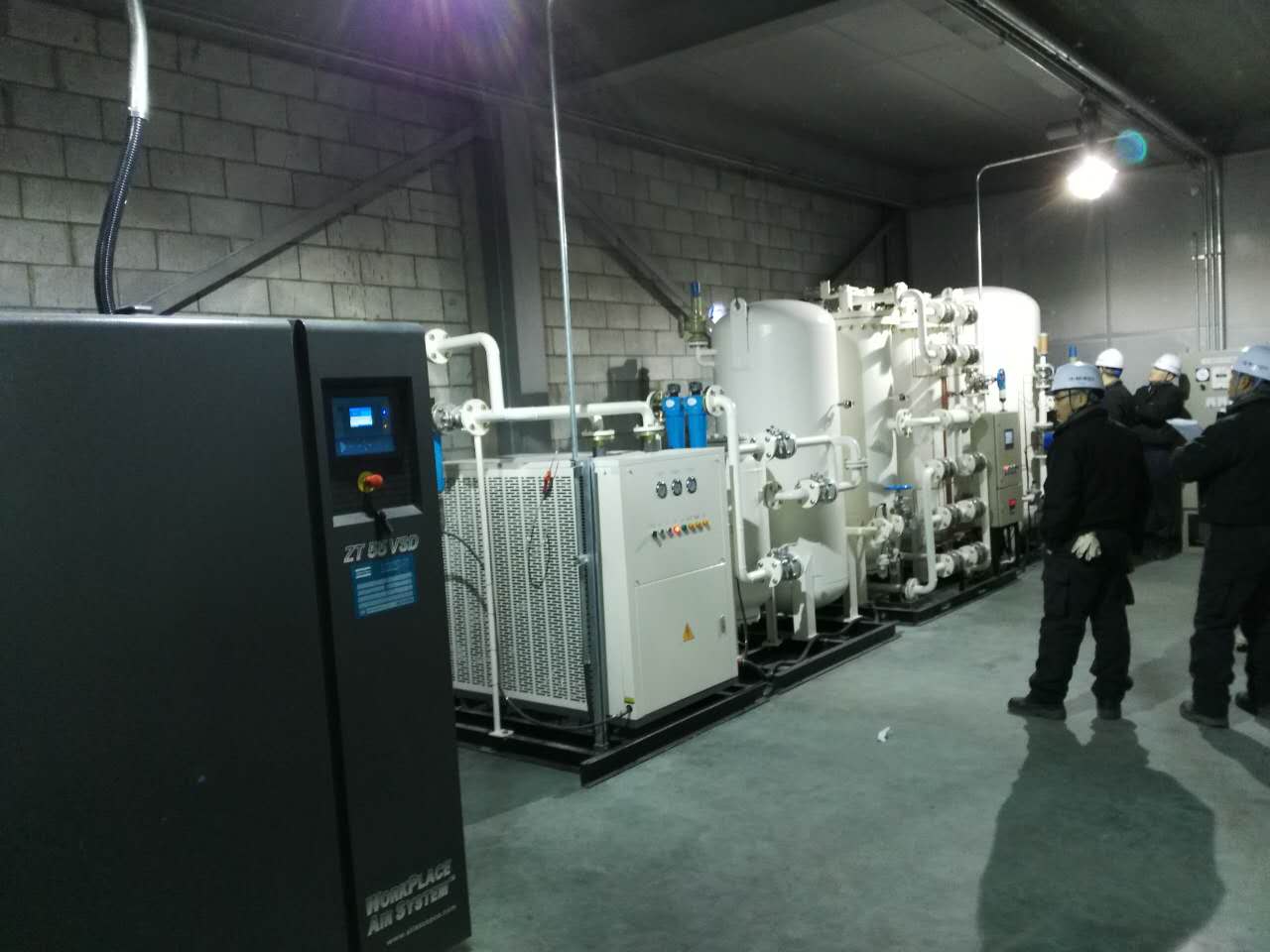
When thinking about a nitrogen generation plant, many people focus on the main costs, like buying the equipment and setting it up. However, there are some hidden costs that can surprise you later. First, you need to consider the installation costs. This is not just about putting the machine in place; it involves a lot of work. You might need to change the building to fit the new equipment. This could mean adding special pipes or even changing the electrical systems. All of this can add up quickly. Additionally, there are maintenance costs. Just like a car needs regular check-ups, your nitrogen generation plant will need care too. You will have to pay for parts that wear out and for experts to keep everything running smoothly. If the plant breaks down, it could cost a lot to fix. There might be costs for training your workers too. They need to know how to run the plant safely and efficiently. You can’t just hire anyone; they need special training, which can be pricey. Lastly, don’t forget about the costs of energy. The plant will use a lot of electricity or other fuels, and those bills can add up. At Hengyetong, we believe it’s important to plan for these costs before you install a nitrogen generation unit. Knowing about these hidden costs can help you avoid surprises and make sure you have enough money set aside.
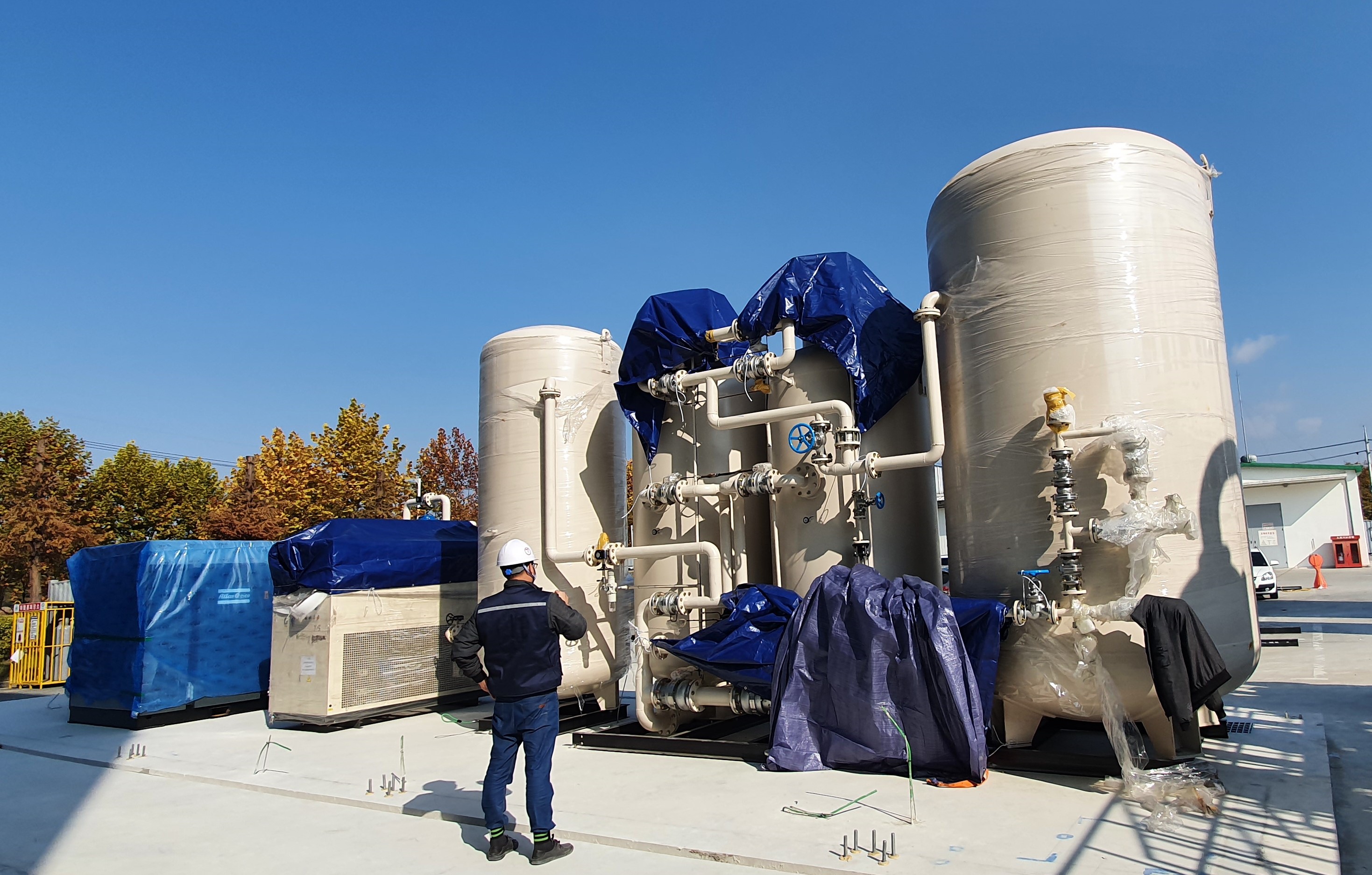
To get the most from your investment in a nitrogen generation plant, you must think carefully about how to use it. First, choose the right size for your needs. If the plant is too big, it will waste money and resources. If it’s too small, it won’t meet your needs. You can ask the experts at Hengyetong to help you find the perfect size. Next, think about how you will use the nitrogen. Plan your operations so that you use nitrogen efficiently. This means not wasting any. For example, if you know the times when you need more nitrogen, you can adjust the plant’s settings to produce more then and less at other times. This can save you money on energy costs. Another good idea is to keep everything well-maintained. Regular check-ups can help you catch small problems before they become big ones. This not only saves money on repairs but also keeps your plant running smoothly. Furthermore, consider using energy-saving technologies or equipment. These might cost a little more upfront, but in the long run, they can save you a lot on energy bills. Finally, think about training your staff. The better they understand how to use the plant, the more efficiently they can operate it. This can lead to fewer mistakes and more savings. By following these tips, you can make sure that your nitrogen generation plant is a smart investment that helps you save money.
Recognized as a provincial high-tech enterprise, we combine certified technical expertise with a forward-thinking global strategy, delivering the most appropriate and advanced gas separation solutions to customers worldwide.
Committed to continuous R&D and innovation, we adopt the development philosophy of "integrating front-end technology to build a world brand," ensuring our products meet the highest standards of performance and reliability for international markets.
With more than 30 years of dedicated experience, we are recognized as a high-tech enterprise specializing in the application research and manufacturing of air separation gas equipment, making us a trusted leader in the PSA gas solutions industry.
We provide a complete range of advanced gas systems, including Medical Oxygen Generators, High Purity Oxygen Systems, Nitrogen Generators, and CO₂ Removal Equipment, offering integrated and economical solutions for diverse global needs.
Welcome to HYT, we are the supplier of supplying PSA oxygen generator,nitrogen generator,99.5% oxygen plant,CO2 recycle machine for more than 30 years.
Room 4, Building A-35, Huading Mold Industrial Park, Hannan District, Wuhan, China
Copyright © Wuhan Hengyetong Gas Equipment Co.,Ltd. All Rights Reserved- Privacy Policy- Blog

 EN
EN