
 EN
EN

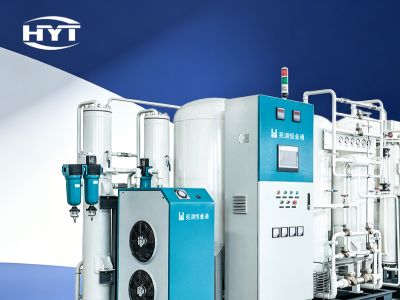
Selecting the right nitrogen compressor is a critical engineering step when building or optimizing a high-performance nitrogen gas filling station. Finding the optimal equipment ensures that cylinders and storage tanks are filled quickly, efficiently, and with maximum safety. When evaluating gas-handling hardware, you must carefully analyze specific technical factors, including the required discharge pressure, the overall physical footprint of the unit, and the dynamic flow rate needed to hit your daily filling targets. Choosing an incorrectly sized compressor introduces massive system bottlenecks—an undersized unit will slow down your entire supply line, while an oversized model will waste energy and cause unnecessary mechanical wear. Hengyetong specializes in manufacturing heavy-duty, high-precision gas compression and separation machinery, giving you the exact tools needed to maximize throughput while maintaining an exceptionally safe filling environment
What Are the Key Parameters for Choosing a Nitrogen Compressor for Gas Filling
Evaluating the foundational parameters of a nitrogen equipment requires a deep look at your facility's daily operational demands, starting with your target discharge pressure. Different downstream applications demand vastly different pressure profiles, meaning a system built for low-pressure vehicle tire inflation will utilize entirely different staging than an industrial setup designed to fill high-pressure steel cylinders. Next, your engineering team must determine the required volumetric flow rate, which dictates the exact volume of nitrogen gas the compressor can move within a specific timeframe to keep up with peak demand. Additionally, you must consider the physical dimensions and structural weight of the compressor block, since facilities with limited floor space frequently require compact, skid-mounted configurations that offer flexible layout options. Energy efficiency is another major factor, as investing in advanced multi-stage systems with low power requirements dramatically cuts long-term corporate electricity costs. Finally, you should evaluate operational noise levels and ease of maintenance, prioritizing user-friendly designs that feature accessible valve assemblies and clear diagnostic controls to minimize downtime
How High-Pressure Nitrogen Compressors Enhance Nitrogen Gas Filling Station Performance
Integrating high-pressure nitrogen air machine into your facility drastically transforms your filling station's overall performance by accelerating cylinder turnover rates. By utilizing elevated pressure levels, the compressor can push a larger mass of gas through the piping system simultaneously, allowing field operators to fill heavy-duty storage tanks in a fraction of the time required by standard low-pressure equipment. This rapid filling speed increases your daily processing capacity, enabling your business to handle higher volume contracts and serve more commercial clients without expanding your physical facility. Furthermore, high-pressure processing allows you to compress the gas tightly into space-saving storage vessels while preserving the absolute purity of the nitrogen stream, which is an essential requirement for sensitive laser-cutting, aerospace, and chemical manufacturing industries. Hengyetong designs its high-pressure units with integrated safety relief valves and advanced thermal protection sensors, ensuring that the system easily mitigates over-pressurization risks while delivering reliable, long-term performance under demanding continuous duty cycles
Where to Source Quality Nitrogen Compressors for Wholesale Buyers
Sourcing reliable nitrogen machine infrastructure requires wholesale buyers and project managers to establish partnerships with proven, certified equipment manufacturers. Buying directly from established producers like Hengyetong gives wholesale buyers distinct commercial advantages, including factory-direct pricing, custom configuration options, and deep technical engineering support straight from the design team. Interfacing directly with the factory also ensures you can verify crucial equipment certifications and national safety compliance records before placing a large-scale order. Additionally, attending major international industrial machinery trade exhibitions and energy conventions provides an excellent opportunity to evaluate different compressor configurations side by side and interface with industry experts face-to-face. Digital industrial marketplaces can also serve as helpful procurement research tools, provided you thoroughly audit supplier histories, read verified buyer reviews, and confirm that the hardware can handle continuous industrial loads. Ultimately, securing excellent after-sales service, rapid spare parts availability, and robust warranty coverage is just as important as the initial purchase price to keep your filling station operational for years to come
What Makes a High-Pressure Nitrogen Compressor Ideal for Filling Stations
A premium high-pressure nitrogen compressor must possess a very specific balance of mechanical traits to make it truly ideal for heavy-use filling station environments. First, the unit must feature high-strength reciprocating pistons or multi-stage compression blocks capable of generating elevated discharge pressures quickly and maintaining that pressure consistently throughout long filling shifts. Reliability is an absolute necessity in commercial gas distribution, meaning the compressor must be constructed from heavy-duty, wear-resistant metallurgy that can withstand continuous operational stress without experiencing unexpected component failures. Energy-efficient motor integration is also key, and utilizing smart PLC control software allows the system to automatically adjust its output based on real-time tank pressure, maximizing performance while cutting down on daily energy waste. Finally, the machinery must feature simple, intuitive user controls and a highly logical layout, allowing facility workers to manage daily filling routines safely and efficiently without requiring exhaustive technical training
How to Troubleshoot Common Problems in High-Pressure Nitrogen Compressors
Even the most durable gas compression systems require a structured troubleshooting routine to quickly identify and resolve minor operational anomalies before they turn into major equipment failures. If a high-pressure compressor suddenly refuses to initiate a cycle, your technicians should immediately verify the integrity of the main high-voltage power supply, check for tripped circuit breakers, and inspect the control panel for active electronic safety faults or blown fuses. If the motor runs smoothly but the system fails to reach its target discharge pressure, the issue is typically linked to a compromised mechanical seal, worn piston rings, or a microscopic gas leak inside the high-pressure valve assembly. Excessive mechanical vibration or unusual grinding noises during operation are immediate warnings that point to misaligned internal components, worn bearings, or insufficient lubrication, requiring an immediate system shutdown to prevent internal damage. Implementing a strict preventative maintenance schedule—including regular oil quality checks, routine air filter replacements, and meticulous valve inspections—is the single best way to maximize the operational lifespan of your infrastructure.
Table of Contents
- What Are the Key Parameters for Choosing a Nitrogen Compressor for Gas Filling
- How High-Pressure Nitrogen Compressors Enhance Nitrogen Gas Filling Station Performance
- Where to Source Quality Nitrogen Compressors for Wholesale Buyers
- What Makes a High-Pressure Nitrogen Compressor Ideal for Filling Stations
- How to Troubleshoot Common Problems in High-Pressure Nitrogen Compressors