
 EN
EN
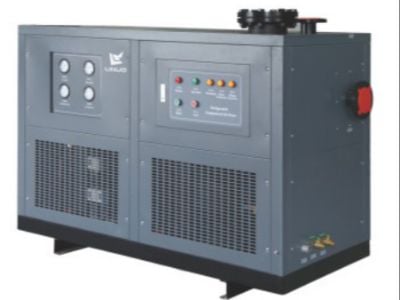
When choosing an industrial air dryer, it’s important to understand how it can help remove water impurities from compressed air pipelines. Water in compressed air can cause lots of problems, like rust, corrosion, and damage to machinery. That’s why using a good air dryer is essential. Our company, Hengyetong, specializes in creating air dryers that effectively eliminate these water impurities, ensuring your machines run smoothly and last longer. In this article, we will discuss what to look for when selecting an industrial air dryer and how different types of dryers can impact the quality of compressed air.
What to Look for in an Industrial Air Dryer to Remove Water Impurities?
When picking an industrial air dryer, there are a few key features to consider. First, look for a dryer that has a high moisture removal capacity. This means it can get rid of a lot of water from the air quickly. A good dryer should also have a reliable drainage system. Some dryers use automatic drains that remove water without you needing to worry about it. This is super helpful! You want a dryer that can work continuously without needing too much attention.
Another important feature is the energy efficiency of the air dryer. Many dryers are designed to save energy while still working well. This means you can save money on electricity bills in the long run. Look for models that have been tested and certified for energy efficiency. Also, consider the size of the dryer. It should fit well in your workspace and meet your air demand needs. If you have a big operation, you might need a larger dryer, while a smaller one might work for a smaller setup.
You should also think about the maintenance requirements. Some dryers need regular servicing, while others are more low-maintenance. Choosing one that requires less upkeep can save time and money. Finally, check the warranty and support services. A good warranty shows that the company stands behind its product, and having support means you can get help if something goes wrong. Hengyetong offers products with great warranties and customer support.
How Do Different Types of Air Dryers Affect Compressed Air Quality?
Different kinds of air dryers can affect how clean your compressed air is in various ways. For example, refrigerated air dryers cool the air to remove moisture. They work well for many applications but might not be the best choice if you need super-dry air. If the air temperature is too high, these dryers might not remove all the water. They are usually best for settings where moisture control isn’t the most critical.
On the other hand, desiccant dryers are designed to remove even more moisture. They use special materials that absorb water from the air. This type of dryer can give you very dry air, but it can use more energy and may require more maintenance. If your operations need really dry air, like in food processing or pharmaceuticals, a desiccant dryer might be the better choice.
Membrane dryers are another option. They use a different technology to separate moisture from the air. They are compact and can be very efficient, but they might not handle large volumes of air as well as other types. Choosing the right type of air dryer depends on your specific needs. Consider what level of dryness you need, how much space you have, and how much maintenance you’re willing to do. Hengyetong offers a variety of air dryers, so you can find the one that fits your needs best.
In the end, selecting an air dryer is an important step in keeping your compressed air clean. Understanding what to look for and how different dryers work can help you make a smart choice. Hengyetong is here to help you find the right solution for your air-drying needs!
What Are the Most Effective Methods to Eliminate Moisture in Air Pipelines?
Moisture in compressed air pipelines can cause many problems, like rust and damage to machines. To keep the air clean and dry, companies need to use effective methods to remove moisture. One popular method is using air dryers. There are different types of air dryers, such as refrigerated dryers and desiccant dryers. Refrigerated dryers cool the air to make water condense, which can then be removed. Desiccant dryers use special materials that soak up moisture from the air. Both methods are effective, but the choice depends on the needs of the business.
Another method is using filters. Filters can catch water droplets and other impurities before they reach the machines. Using filters alone may not be enough, so it’s often best to combine them with air dryers. This way, the air quality is improved even more. Installing separators in the pipeline can also help. These separators can trap water so that it does not reach the equipment. Regular maintenance is important too. If air dryers and filters are not cleaned or checked often, they can become less effective over time. At Hengyetong, we recommend a good maintenance schedule to keep everything working well.
In addition to these methods, it’s crucial to monitor the air quality regularly. This helps catch any moisture problems early. Using a moisture meter can provide real-time readings of the air's moisture levels. If the readings are too high, it’s time to check the industrial air dryer and filters. By using these effective methods together, companies can ensure that their compressed air pipelines stay dry and clean, protecting their equipment and improving overall performance.
How to Evaluate the Performance of Industrial Air Dryers for Optimal Results?
When choosing an air dryer for your business, it’s important to know how to evaluate its performance. The first thing to consider is the dryer’s capacity. This tells you how much air the dryer can handle. If you have a busy operation that uses a lot of compressed air, you need a dryer with a higher capacity. You can find this information in the product specifications, which will tell you the maximum flow rate the dryer can manage.
Another important factor is the dryer’s efficiency. This is measured by how well it removes moisture from the air. A good air dryer should lower the air’s dew point to an acceptable level. The dew point is the temperature at which water starts to condense. The lower the dew point, the drier the air. At Hengyetong, we provide air dryers that achieve low dew points, ensuring your air is as dry as possible.
You should also look at the energy consumption of the air dryer. Some dryers use a lot of energy, which can drive up your electricity bills. It’s best to choose a model that uses less energy while still performing well. Many modern air dryers are designed with energy-saving features that help reduce costs.
Finally, consider the maintenance needs of the air dryer. Some dryers require more upkeep than others. Regular maintenance is essential for keeping the dryer working efficiently. It’s a good idea to choose a dryer that is easy to maintain and has clear instructions. At Hengyetong, we offer products that are user-friendly and come with great support to help you keep your system running smoothly.
Common Misconceptions About Air Dryers and Their Impact on Air Quality
There are some common misunderstandings about air dryers that can affect air quality. One of the biggest misconceptions is that all air dryers are the same. Many people think that any air dryer will do the job, but that’s not true. Different types of dryers work better for different situations. For example, a refrigerated dryer might be perfect for a place with high humidity, while a desiccant dryer is better in colder conditions. Understanding the type of air dryer you need is crucial for maintaining good air quality.
Another common myth is that air dryers eliminate all moisture completely. While air dryers are effective, they might not remove every single drop of water. If air quality is very critical for your operations, it’s important to combine dryers with other methods, like filters and separators. This way, you can ensure that any remaining moisture is caught before it reaches your machines.
Some people also believe that maintenance is not necessary for air dryers. This is not true! Regular maintenance is key to keeping the air dry and clean. If air dryers are not serviced frequently, they can become less efficient over time. This can lead to more moisture in the air, which can harm your equipment. At Hengyetong, we stress the importance of regular inspections and servicing to keep air dryers working at their best.
Table of Contents
- What to Look for in an Industrial Air Dryer to Remove Water Impurities?
- How Do Different Types of Air Dryers Affect Compressed Air Quality?
- What Are the Most Effective Methods to Eliminate Moisture in Air Pipelines?
- How to Evaluate the Performance of Industrial Air Dryers for Optimal Results?
- Common Misconceptions About Air Dryers and Their Impact on Air Quality