
 EN
EN

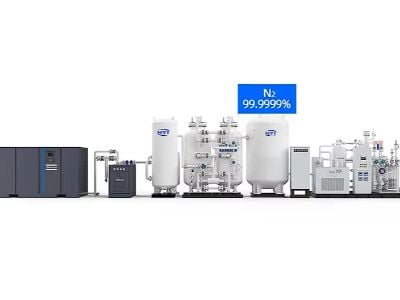
Installing a small-scale oxygen plant inside an existing hospital can be a smart move.
It allows hospitals to produce their own oxygen, making sure they have enough for patients. However, putting this plant in the right spot is very important to keep things running smoothly. At Hengyetong, we know that space planning is key to making the installation work well. This article will give you some helpful tips on how to plan the space for a small-scale oxygen plant in a hospital.
When you think about space planning for a small-scale oxygen plant, you want to make sure it fits well within the hospital's layout. First, the area should be easy to access for staff, but also safe for patients. Consider choosing a location that has enough room for the equipment, storage tanks, and any other necessary space to work. You may need to measure the area carefully. It’s also good to think about how the oxygen will be moved from the plant to different parts of the hospital. Do you have enough piping and valves? Is the oxygen supply going to be easy to manage? You don’t want patients waiting for oxygen when they need it right away.
Another important thing to think about is ventilation. The oxygen plant needs good airflow. If the area is too closed off, it could become dangerous. Make sure there are no obstacles that could block air circulation. Additionally, consider how noise from the equipment might affect patients. It’s a good idea to place the plant away from patient rooms or quiet areas. Using soundproof materials might help reduce any noise that could disturb patients. Also, check the hospital's safety standards and regulations to ensure the installation meets all necessary requirements.
When considering the installation of a small-scale oxygen plant in existing hospital facilities, it's important to look at the current infrastructure. For instance, does the hospital have enough power supply for the new equipment? You may need to upgrade electrical systems to support the plant. Plumbing is another factor. Ensure that there are enough water and drainage systems for the oxygen plant’s operations. The plant's location should also allow for easy maintenance. If something goes wrong, staff should be able to reach the equipment without disrupting hospital operations.
You should also think about the future. Will the oxygen plant still meet the hospital's needs in a few years? Planning for growth is essential. Maybe the hospital will expand, and more oxygen will be needed. Having a flexible design can help. It might be useful to work with experts from Hengyetong who can guide you through this process. PSA Nitrogen Generator can help make sure the plant is installed correctly and that it fits well with the hospital’s needs now and in the future.
In summary, installing a small-scale oxygen plant in a hospital needs careful thought and planning. By focusing on space planning, ensuring good access and safety, and considering the current infrastructure, hospitals can create a successful installation. At Hengyetong, we are here to help you every step of the way.
How to Optimize Space for Small Scale Oxygen Production in Healthcare Settings
When placing a small-scale oxygen plant inside a hospital, it is very important to use space wisely. First, think about the area you have. You need to find a spot that is not too big or too small. The area should be close to where oxygen is needed the most. This could be near the emergency room or the intensive care unit. It is important because it helps doctors and nurses get oxygen quickly to patients who need it.
Next, make sure the space is easy to reach. If the oxygen plant is hard to get to, PSA Oxygen Generator could slow down the work of the hospital staff. They need to be able to refill oxygen tanks fast. Good paths and doors should be planned so that workers can easily move around. Also, consider where the pipes will go. They need to be set up so that oxygen can flow smoothly to different parts of the hospital.
Another good tip is to use vertical space. If you have a small area, think about building up. You can place equipment on shelves or use tall cabinets to save floor space. Hengyetong can help you design the layout so everything fits perfectly.
Finally, keep safety in mind. Make sure there is enough room for people to walk around safely and that the plant does not block any exits. When designing the space, it’s smart to get input from hospital staff. They can provide insights on what works best for their daily tasks. By planning the space carefully, you can create a place where the small-scale oxygen plant can function well and help save lives.
Where to Locate Your Small Scale Oxygen Plant for Maxi mum Efficiency in Hospitals
Finding the right spot for your small-scale oxygen plant is very important for it to work well. Start by looking at the hospital’s layout. The best location is usually near the departments that use the most oxygen, like the emergency room or surgical areas. This way, the staff can quickly get the oxygen they need without wasting time walking far.
Consider the flow of patients and staff. Busy areas need quick access to oxygen. A good location can make a big difference in how fast help can be given. Hengyetong can help you figure out the best spot for your oxygen plant by looking at how the hospital works.
Another factor to think about is noise. The oxygen plant can make some sounds while it is working. Medical Oxygen Generator is better to place it in a spot that is away from patient rooms. This will make sure that patients can rest without being disturbed.
You should also think about the building’s structure. The plant needs to be in a place where there is enough support for the equipment. It’s essential to ensure that the floor can hold the weight of the plant and that there are no hidden pipes or wires that could cause problems.
Finally, safety must be a top priority. The plant should be located away from areas where there are lots of people, and it should have good ventilation. This helps to keep everything safe and running smoothly. By choosing the right location, your small-scale oxygen plant can work efficiently and help many patients.
How to Maximize ROI with Smart Space Planning for Small Scale Oxygen Plants in Healthcare
Maximizing Return on Investment (ROI) is very important when setting up a small-scale oxygen plant in a hospital. Smart space planning can help make sure that you get the most benefits from your investment. First, think about the costs. When you plan the space well, you can save money on construction and equipment. For example, if you place the oxygen plant near existing pipelines, you won’t have to spend extra money to install new ones.
Next, focus on efficiency. A well-planned space can help the staff work faster and better. This means they can help more patients in less time. For instance, if the oxygen plant is close to patient areas, the staff can quickly deliver oxygen when needed. This can lead to better care, which is essential for a hospital's reputation.
Another way to increase ROI is to invest in training for the staff. If they know how to use the oxygen plant properly, it will run smoothly and last longer. Hengyetong can provide training programs that teach the staff everything they need to know. This can prevent mistakes that could lead to costly repairs or downtime.
Also, consider future growth. As the hospital grows, the need for oxygen may increase. Plan the space so that it can be expanded easily later. This way, you won’t have to spend a lot of money to change the layout again.
Lastly, regularly check the performance of the oxygen plant. By monitoring how well it is working, you can find ways to improve and save money. Good planning can lead to better care for patients, happier staff, and a strong return on investment. With smart space planning, the small-scale oxygen plant can be a valuable addition to any hospital.
Table of Contents
- Installing a small-scale oxygen plant inside an existing hospital can be a smart move.
- How to Optimize Space for Small Scale Oxygen Production in Healthcare Settings
- Where to Locate Your Small Scale Oxygen Plant for Maxi mum Efficiency in Hospitals
- How to Maximize ROI with Smart Space Planning for Small Scale Oxygen Plants in Healthcare