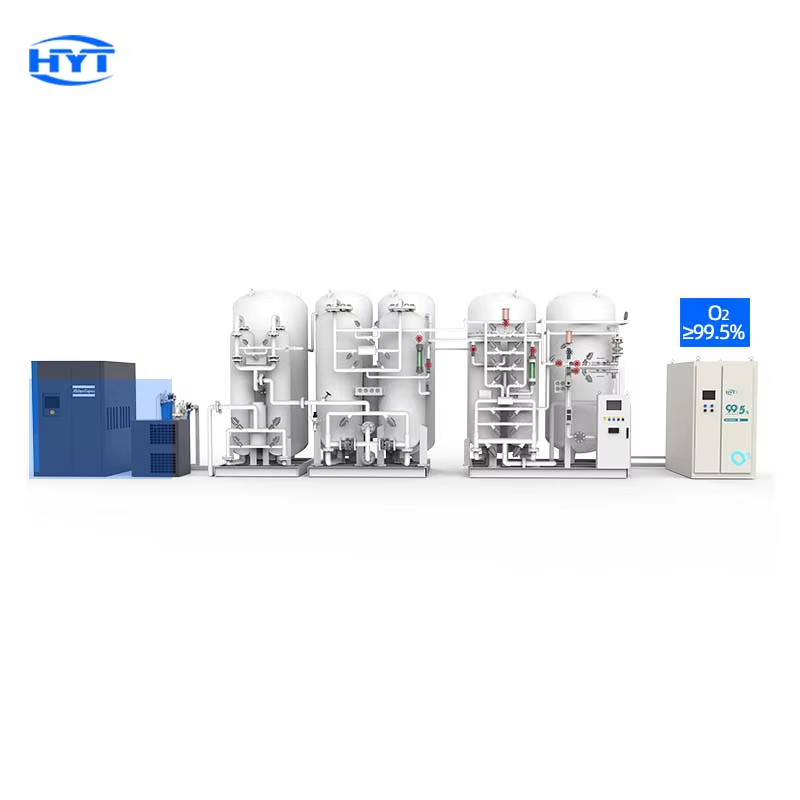
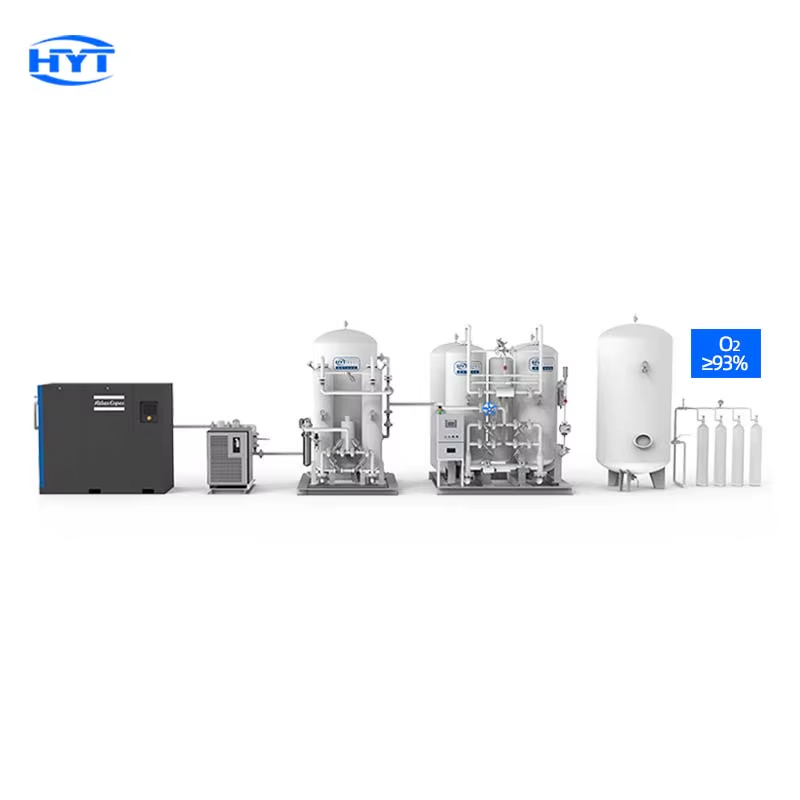
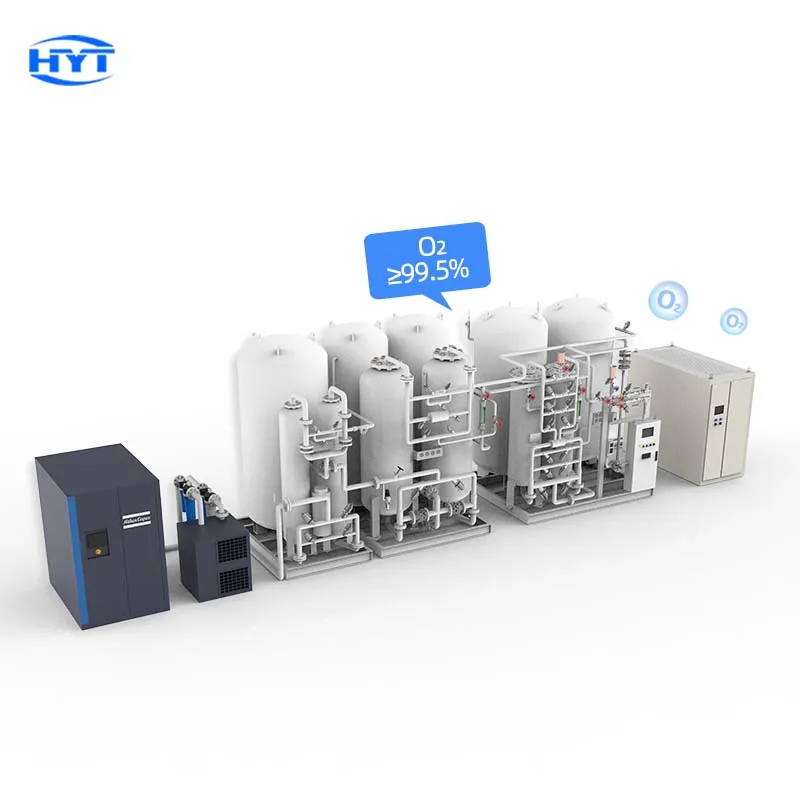
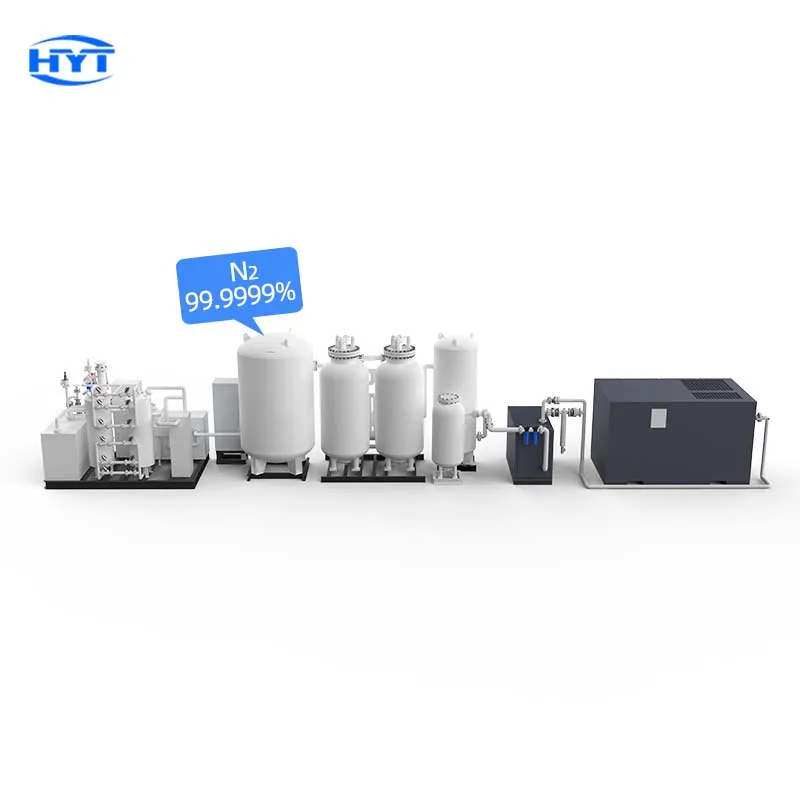
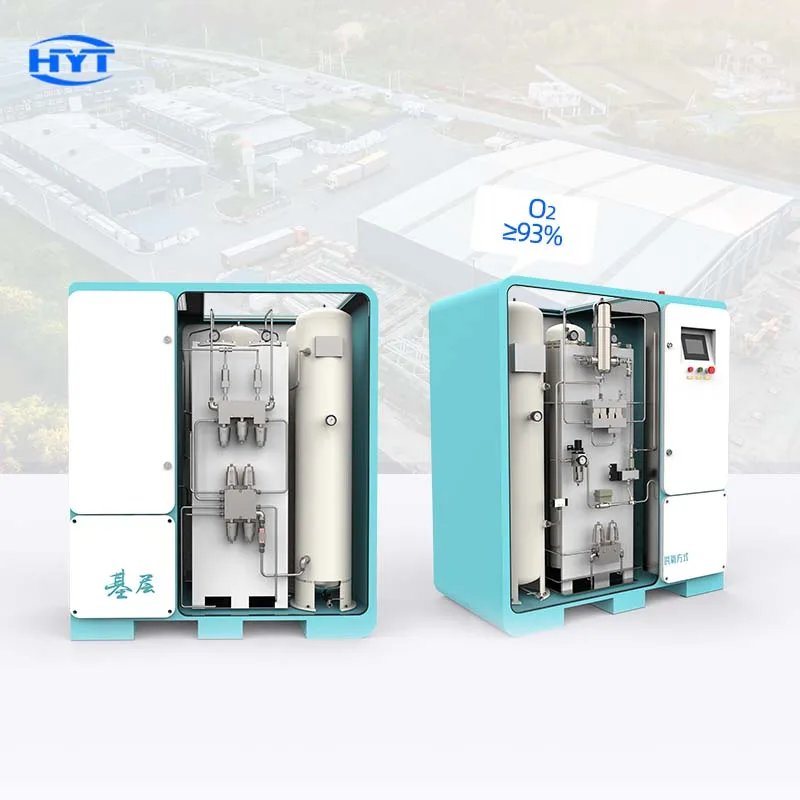
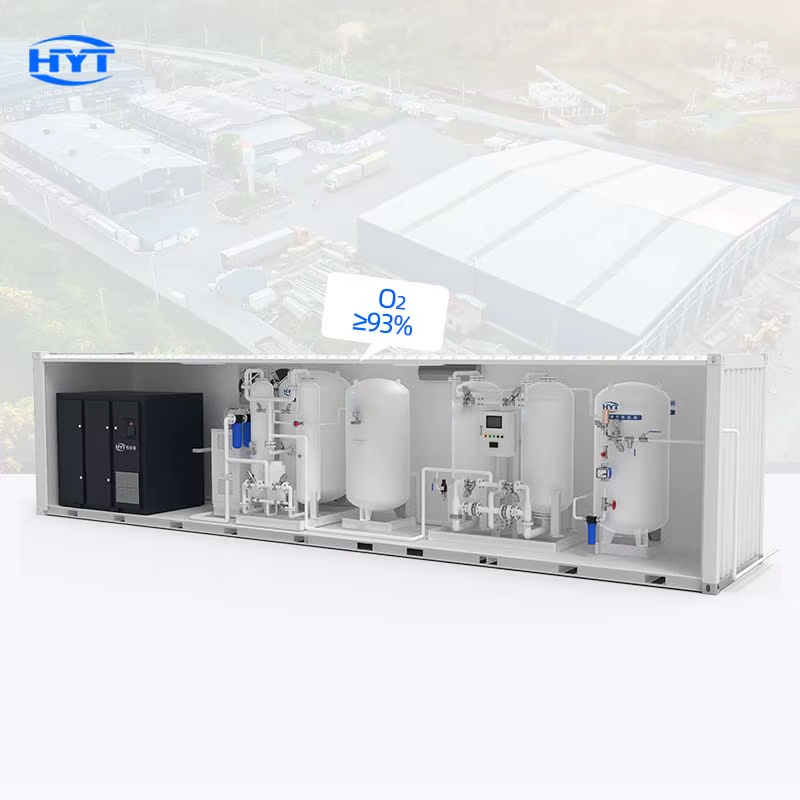
Oxygen manufacturing plants are important because they produce oxygen for many uses. Hospitals need oxygen for patients who have trouble breathing. Factories use oxygen to help make products. Even scuba divers need oxygen tanks when they go underwater. The cost to set up an oxygen manufacturing plant can change a lot. This is because of different factors like equipment, location, and the size of the psa oxygen plant. Hengyetong knows a lot about this field. We make sure to help people understand what goes into the costs of making oxygen.
There are many things that can change the cost of an oxygen manufacturing plant. First, the type of equipment needed is very important. Some plants use big machines that are very expensive. These machines can separate oxygen from the air, which is how we get pure oxygen. The more advanced the technology, the more it costs. For instance, if a plant uses a cryogenic process, it will need special cooling systems that can be costly. Next, the location of the plant can affect costs too. If it’s in a busy city, rent and labor might be higher than in a rural area. Also, the supply chain plays a role. If materials needed for the plant are far away, shipping costs will add up. Labor costs are also a big part. Hiring skilled workers can be expensive, especially in areas where there is a high demand for such jobs. The size of the plant matters too. A larger plant can produce more oxygen but requires a bigger initial investment. Lastly, regulations and permits can add extra costs. Each country has rules about how plants should operate, and following these rules can be expensive. At Hengyetong, we help our clients figure out how to manage these costs effectively and make smart decisions.
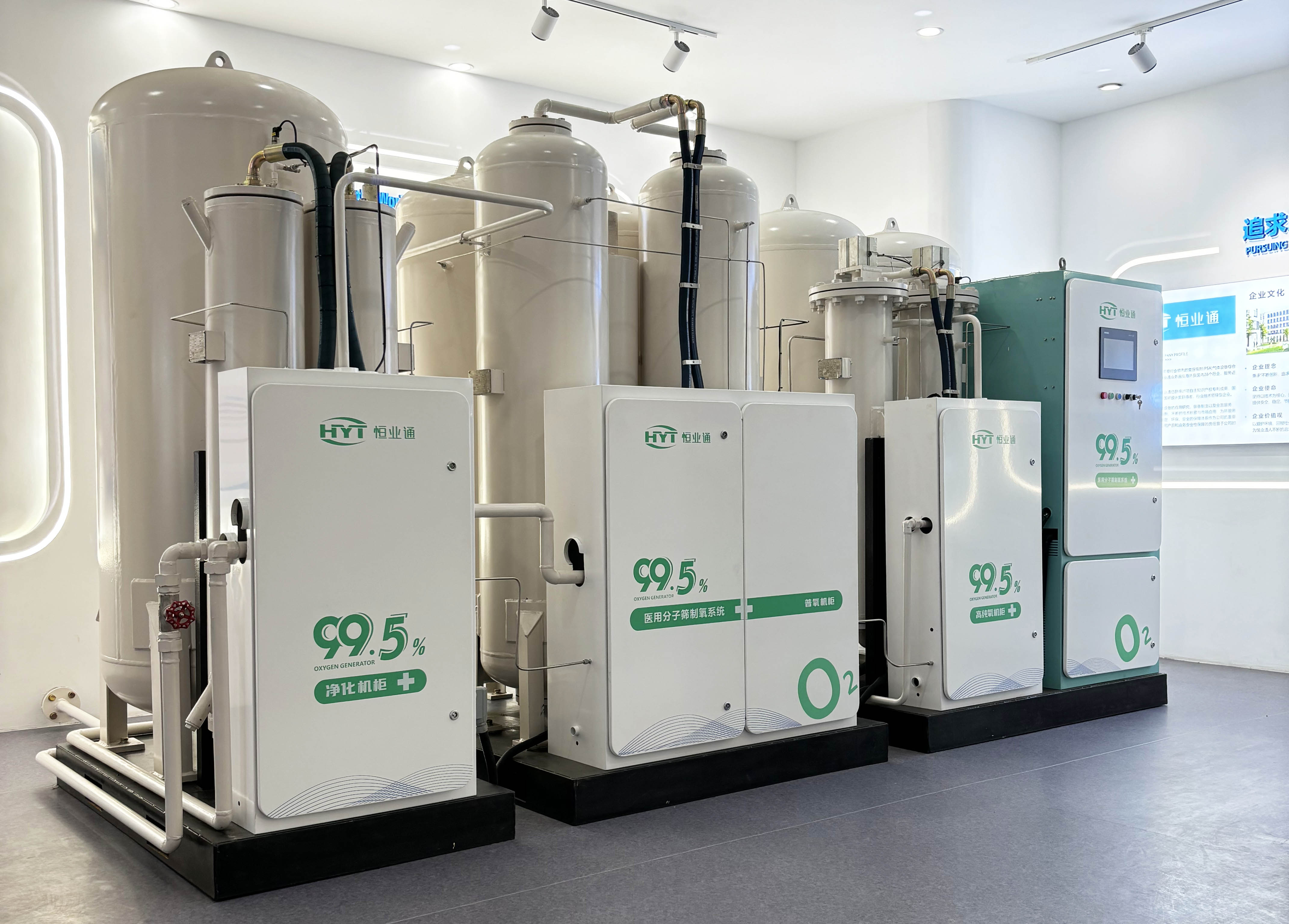
Many people have wrong ideas about how much it really costs to run an oxygen production plant. One common misconception is that the initial setup cost is the only thing to think about. But that’s not true. There are ongoing costs like maintenance, repairs, and utilities that can make a big difference in total expenses. For example, electricity can be a big part of the bill since machines need power to work all day. Another misunderstanding is that bigger plants always mean higher profits. While larger plants can produce more oxygen, they also have higher operational costs. If the market demand is low, a big plant might not be able to make enough money. Some believe that once the plant is built, costs will stay the same. However, costs can change due to inflation or changes in the market. For instance, if the price of raw materials goes up, that affects the cost of producing oxygen. Some might think that the cheapest equipment is always the best choice. However, cheaper machines might break down more often, leading to higher repair costs. We aim to clear these misconceptions. We provide detailed information and support to help our clients understand all the costs involved in running a pressure swing adsorption oxygen plant. This way, they can make better choices and avoid surprises.
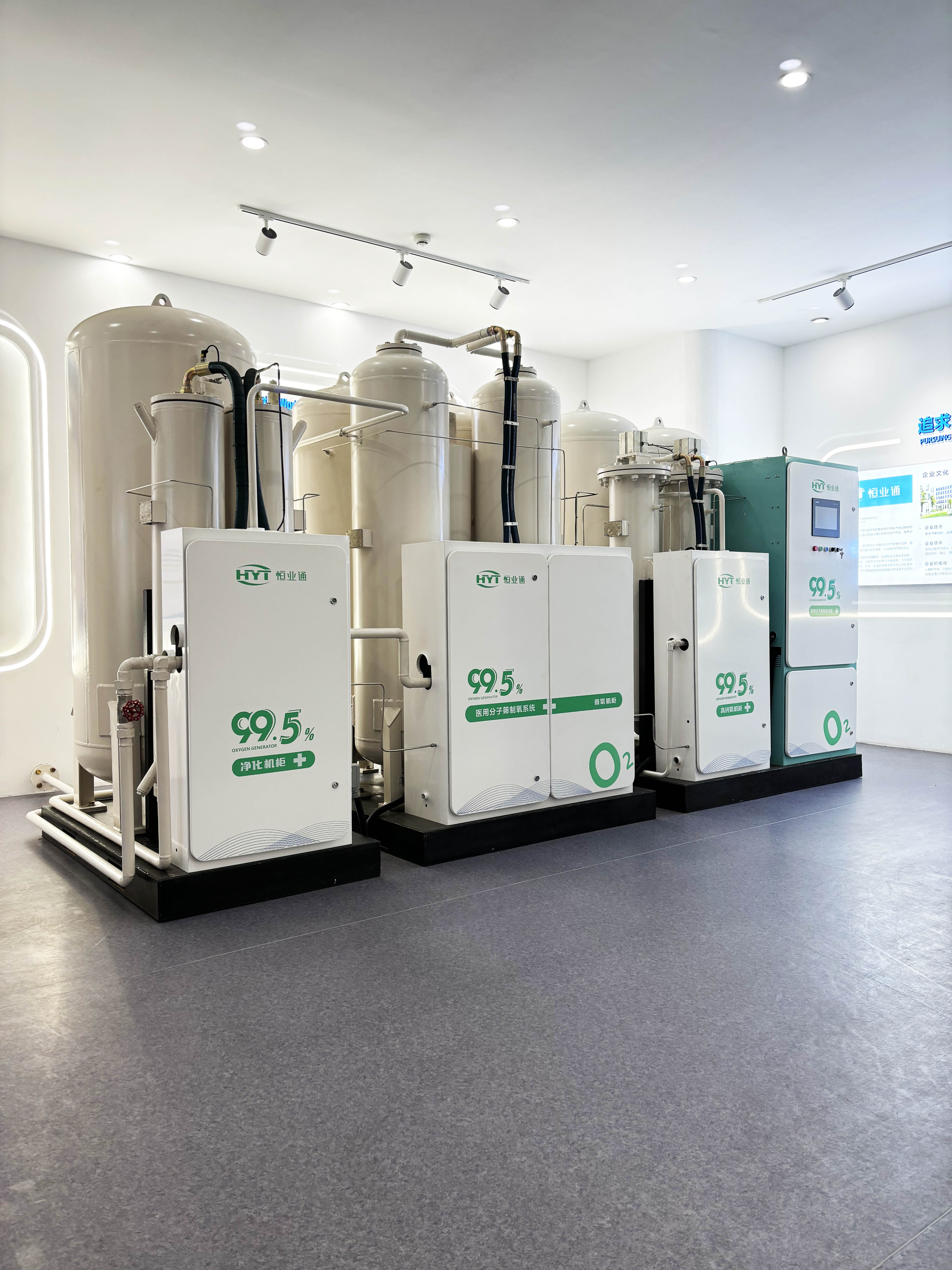
Running an oxygen manufacturing plant can be expensive, but there are ways to save money and make it work better. First, it’s important to keep the equipment in good shape. Regular maintenance can help prevent big problems that cost a lot to fix. At Hengyetong, we believe that checking machines and replacing worn-out parts can save money in the long run. Another way to save costs is by training workers well. When workers know how to run machines and follow safety rules, they can do their jobs faster and better. This means less waste and more oxygen produced. It is also smart to use energy wisely. For example, turning off machines when they are not in use or using energy-efficient models can lower bills. Lastly, using technology can help a lot. Many plants now use software to monitor how much oxygen they make and how much energy they use. This helps find ways to save even more. By making small changes in how the plant runs, like those mentioned above, we can help you create a more cost-efficient oxygen manufacturing plant.
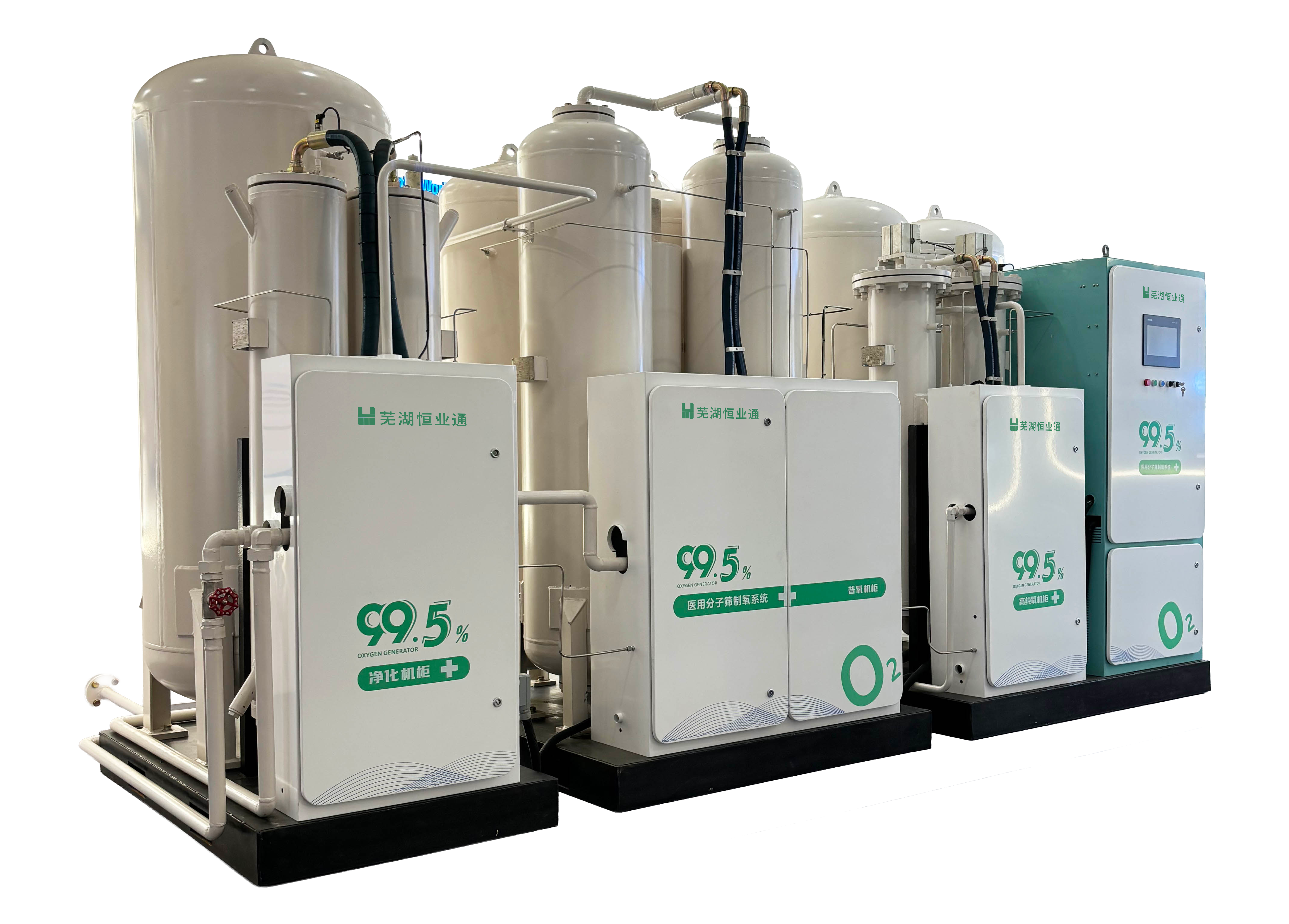
Oxygen plants can sometimes face problems that make it hard to produce oxygen correctly. One common issue is equipment malfunction. Machines can break down or not work as they should, which can stop production. To solve this, regular checks and quick repairs are very important. We suggest creating a schedule for maintenance. This way, issues can be caught early before they become bigger problems. Another issue is the quality of the oxygen produced. Sometimes, the oxygen might not meet the standards needed for medical use. This can happen if the wrong materials are used or if there are leaks in the system. To fix this, it’s essential to have strict checks on the material used and regular quality testing of the oxygen produced. Training workers to understand how to check and ensure quality can also help. Lastly, sometimes the plant can run into trouble with supply chain issues, making it hard to get the materials needed to produce oxygen. To avoid this, having good relationships with suppliers and having backup suppliers can help ensure everything runs smoothly. By addressing these common issues, we can help you keep your psa oxygen generation plant running well and producing high-quality oxygen.
Recognized as a provincial high-tech enterprise, we combine certified technical expertise with a forward-thinking global strategy, delivering the most appropriate and advanced gas separation solutions to customers worldwide.
With more than 30 years of dedicated experience, we are recognized as a high-tech enterprise specializing in the application research and manufacturing of air separation gas equipment, making us a trusted leader in the PSA gas solutions industry.
We provide a complete range of advanced gas systems, including Medical Oxygen Generators, High Purity Oxygen Systems, Nitrogen Generators, and CO₂ Removal Equipment, offering integrated and economical solutions for diverse global needs.
Committed to continuous R&D and innovation, we adopt the development philosophy of "integrating front-end technology to build a world brand," ensuring our products meet the highest standards of performance and reliability for international markets.
Welcome to HYT, we are the supplier of supplying PSA oxygen generator,nitrogen generator,99.5% oxygen plant,CO2 recycle machine for more than 30 years.
Room 4, Building A-35, Huading Mold Industrial Park, Hannan District, Wuhan, China
Copyright © Wuhan Hengyetong Gas Equipment Co.,Ltd. All Rights Reserved- Privacy Policy- Blog

 EN
EN