
 EN
EN

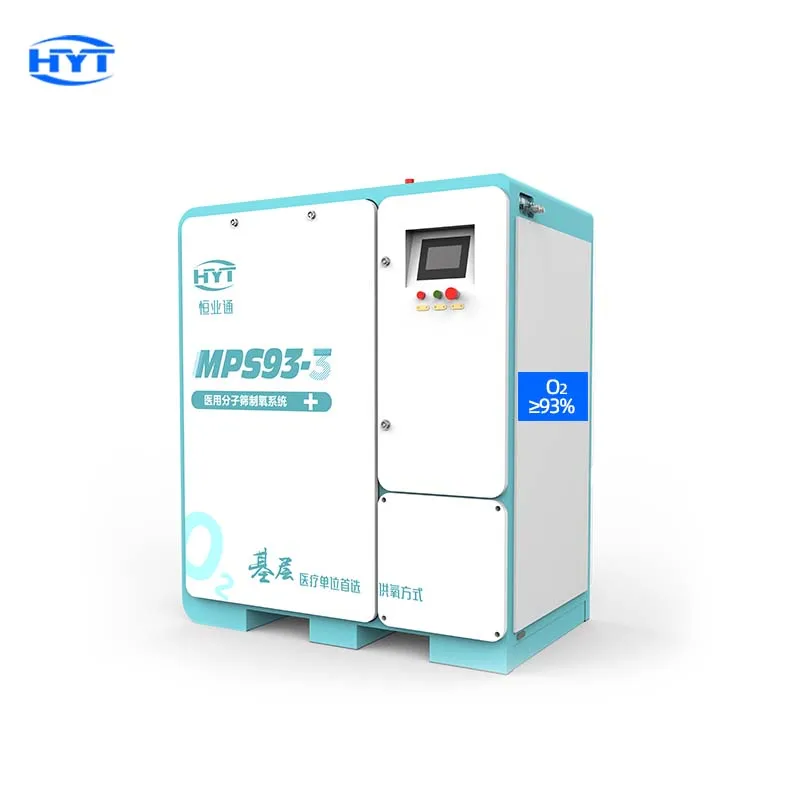
Building a liquid oxygen plant at a county hospital can seem like a big job, but it is very important for helping patients breathe easier. Liquid oxygen is used for people who have trouble breathing due to serious health issues. It is stored in a special way to keep it cold and safe. At Hengyetong, we know that planning the layout and investment budget for this project is key to its success. Making sure that everything is in the right place can help the hospital run smoothly and keep patients safe.
What to Consider When Planning a Liquid Oxygen Plant Layout for Hospitals
When planning a layout for a liquid oxygen plant, there are several important things to think about. First, the location matters. The plant should be close to where patients need the oxygen most, like the emergency room or intensive care unit. This way, if someone needs oxygen quickly, it is readily available. Next, safety is a top priority. The area must be designed to keep people safe from hazards like leaks or spills. This means having proper ventilation and emergency equipment nearby. The layout should also allow easy access for staff to check and refill oxygen tanks. Clear pathways are necessary so that workers can move around without obstacles. Additionally, it is important to think about how to store the liquid oxygen. Special tanks are needed, and they must be placed in a way that keeps them secure but also easy to reach. Another consideration is communication systems. Having a good way for staff to communicate can help in emergencies. Lastly, the layout should consider future growth. If the hospital gets bigger, more oxygen may be needed, so there should be room to expand the plant easily. All these factors work together to create a safe and effective liquid oxygen plant layout.
What Are the Key Benefits of Liquid Oxygen Plants in Healthcare Settings?
Liquid oxygen plants offer many benefits for hospitals. One of the main advantages is that they provide a steady supply of oxygen. This is crucial because many patients depend on oxygen to breathe properly, especially in emergencies. Having a plant on-site means the hospital does not have to rely on deliveries, which can sometimes be delayed. Another benefit is cost savings. While building a plant requires an initial investment, over time, it can save money compared to buying oxygen from outside sources. Hospitals can control their own supply and avoid price hikes. Liquid oxygen is also very efficient. It takes up less space than regular oxygen tanks, allowing hospitals to use their space better. This is especially helpful in busy hospitals where every inch counts. Moreover, having a liquid oxygen plant helps improve patient care. With quick access to oxygen, doctors and nurses can provide better treatment. They can react faster when a patient’s condition changes. Finally, having a plant can enhance the hospital's reputation. It shows that the hospital is committed to providing high-quality care and is prepared for emergencies. All these benefits make liquid oxygen plants a smart choice for healthcare settings, and Hengyetong is here to help make that choice a reality.
Ensuring Safety and Compliance When Building a Liquid Oxygen Plant for Hospitals
Creating a liquid oxygen plant for a medium-sized county hospital is a big project. It involves careful planning and budgeting. One of the most important things to think about is how to make sure the plant is safe and follows all the rules. At Hengyetong, we know that safety comes first. When designing a liquid oxygen plant equipment, it’s crucial to follow guidelines set by health and safety organizations. This means using the right materials and equipment that can handle liquid oxygen safely. The layout of the plant should keep people safe by having clear pathways for workers and making sure there are no places where oxygen can leak. Workers should also have training on how to handle the equipment and what to do in case of an emergency. This training helps them understand the risks of working with oxygen and how to stay safe. Regular inspections are also important. These inspections look for any problems, like leaks or equipment that isn’t working right, and fix them before they become serious. It’s also a good idea to have safety signs around the plant. These signs remind everyone of the rules and help keep safety in everyone’s mind. Hengyetong believes that a safe plant is a successful plant. By focusing on safety and compliance, we can help ensure that the liquid oxygen plant runs smoothly and keeps the hospital safe.
Common Challenges in Liquid Oxygen Plant Construction and How to Overcome Them
Building a liquid oxygen plant is not always easy. There are several common challenges that can come up during the project. One challenge is making sure that the plant fits in with the hospital’s needs. The size of the plant must match how much oxygen the hospital uses. If it’s too small, there won’t be enough oxygen for patients. If it’s too big, it can waste money and space. Another challenge is managing the budget. It’s important to stay within the budget while still getting good quality materials and equipment. Sometimes, there are unexpected costs that can pop up, like needing more safety features or extra training for workers. At Hengyetong, we understand these challenges and work hard to find solutions. Communication is key. Keeping everyone informed about what is happening can help solve problems before they become big issues. Coordination with different teams, like construction and hospital staff, is also important. Everyone needs to work together to make sure the project stays on track. Finally, getting permits and approvals can take time. It’s important to plan for these delays so they don’t affect the project’s timeline. By understanding these challenges, we at Hengyetong can help make the building process smoother and more efficient.
How to Find Reliable Suppliers for Liquid Oxygen Plant Components
Finding reliable suppliers for the components of a liquid oxygen plant is very important. The plant needs many parts, like tanks, pipes, and safety equipment. At Hengyetong, we know that using high-quality components helps ensure the plant works well and stays safe. To find good suppliers, it’s helpful to do research. Look for companies that have experience in making parts for oxygen plants. You can also ask for recommendations from other hospitals or businesses that have built similar plants. Reading reviews and checking ratings can give you an idea of how trustworthy a supplier is. It’s also a good idea to visit suppliers if possible. Seeing their facilities can show you how they operate and if they meet safety standards. Once you find a few potential suppliers, it’s important to ask questions. Talk to them about their products, prices, and delivery times. Having open communication can help you understand what to expect. Finally, building a relationship with suppliers can lead to better service in the future. If they know you, they may be more willing to help if problems arise. At Hengyetong, we believe that finding good suppliers is key to building a successful liquid oxygen plant. With the right parts, the plant can operate safely and efficiently, helping the hospital provide the best care for its patients.
Table of Contents
- What to Consider When Planning a Liquid Oxygen Plant Layout for Hospitals
- What Are the Key Benefits of Liquid Oxygen Plants in Healthcare Settings?
- Ensuring Safety and Compliance When Building a Liquid Oxygen Plant for Hospitals
- Common Challenges in Liquid Oxygen Plant Construction and How to Overcome Them
- How to Find Reliable Suppliers for Liquid Oxygen Plant Components